


Energy Efficient Barn Ventilation: What It Actually Costs to Run Your System


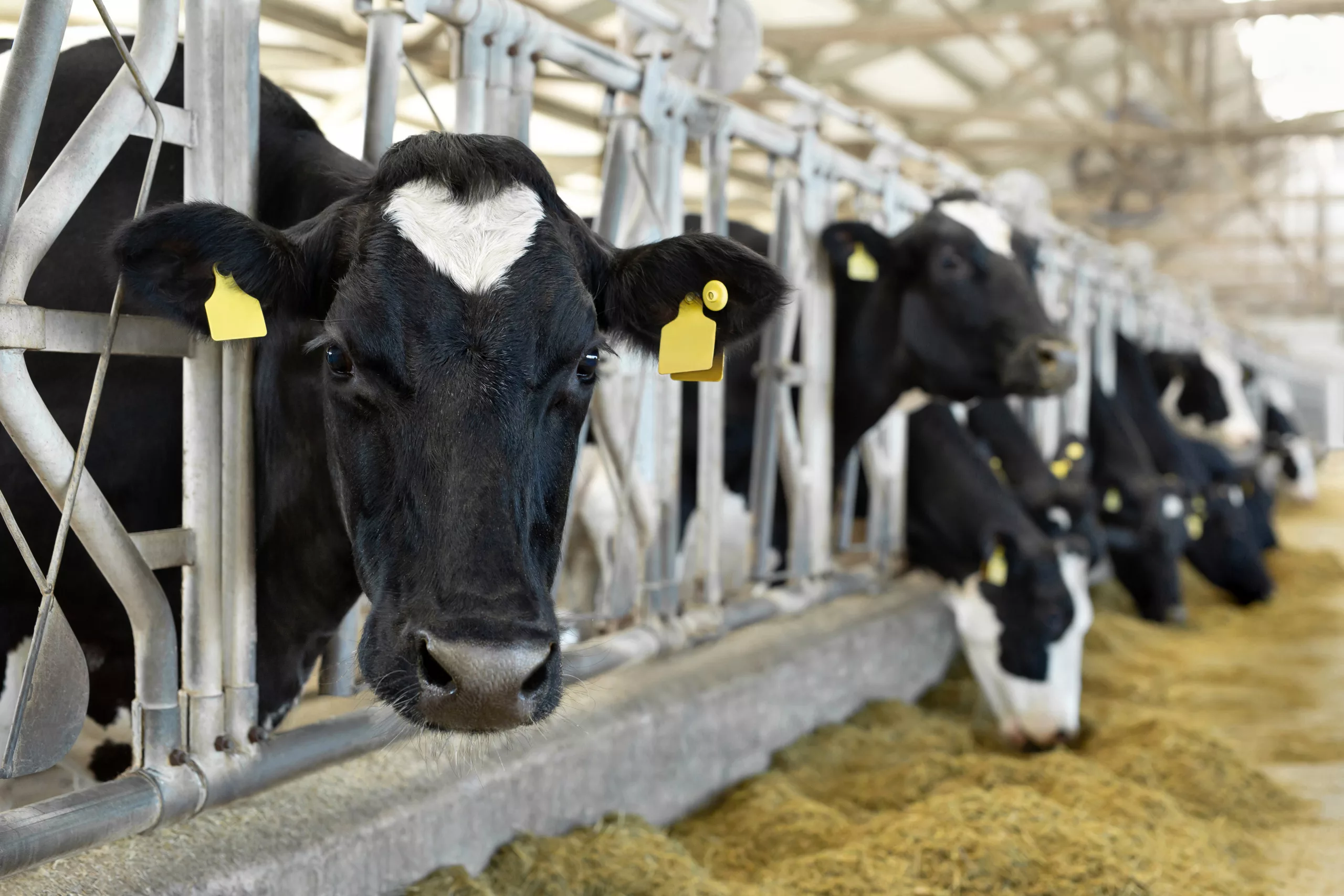
Herds are producing more heat than ever, since higher-yielding cows generate more metabolic heat and need more airflow to stay comfortable during summer.
The result is a system that needs to work harder, at a time when working harder costs more than it used to. For many farms, ventilation has quietly become one of the larger line items in the annual electricity bill.
But fabric ducting systems such as ClimaBarn can help your barn become more energy efficient by keeping temperatures stable and so reducing the effort needed to run your HVAC system.
Why ClimaBarn Uses Less Energy for the Same Result
Most of the energy a ventilation system uses goes toward moving air, not into cooling the cows.
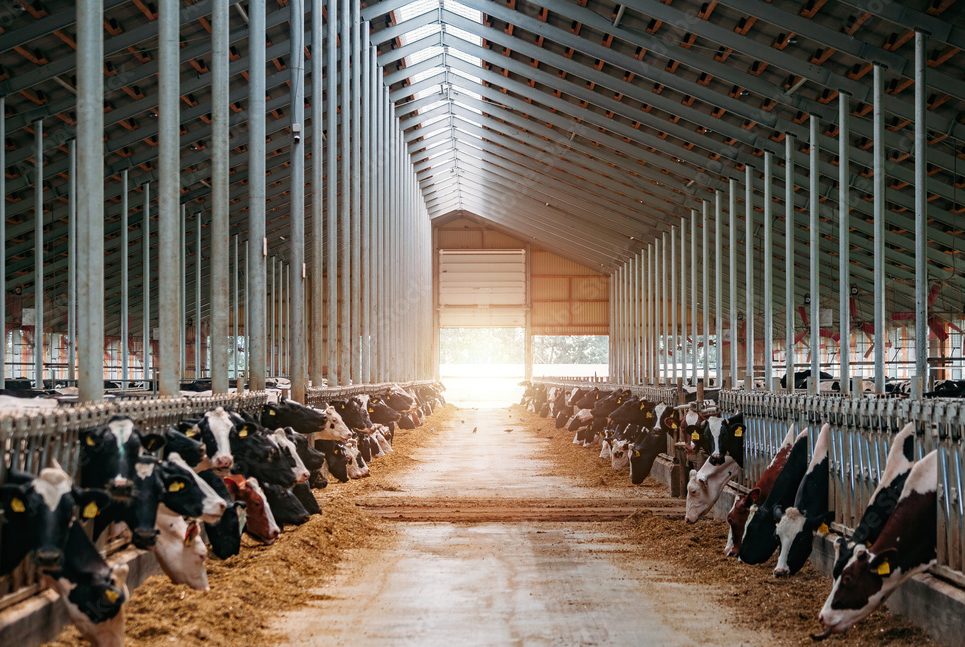
A single fan blowing from one end of the barn has to push hard to reach the far side, and a lot of that air never reaches the animals at all. ClimaBarn works differently. Air travels through a fabric duct that runs the length of the barn and releases fresh air evenly all along the way, right above the cows.
Because the air already goes where it is needed, ClimaBarn does not have to work as hard to keep the barn comfortable. Less wasted air movement means lower electricity use for the same amount of cooling.
Automatic Control, Built In
ClimaBarn systems adjust airflow automatically based on the actual temperature inside the barn.
On a cool morning, the system runs gently. On a hot afternoon, it increases output on its own. Nobody on the farm needs to check settings or turn anything up or down by hand.
This matters because a barn does not need the same amount of airflow every day of the year. A system that adjusts by itself avoids running at full power when the barn does not need it, which keeps electricity use down without any extra effort from the farm.
Energy Efficiency as Part of the Bigger Financial Picture
Running cost is only one part of what a ventilation system delivers, but it’s an important one because it compounds every single year the system operates.
A system with a lower purchase price but higher annual electricity draw can end up costing more over its lifespan than a system with a higher upfront cost and lower running costs. Factoring ClimaBarn’s energy efficiency into the payback calculation, alongside milk yield and animal health improvements, gives a clearer picture of what the investment actually returns.
Next Step
Curious about how ClimaBarn could help your barn? Contact our experts for free assessment.
Frequently Asked Questions
Yes. Modern ventilation retrofit projects are designed to minimize disruption to daily farm operations. In many cases, installation can be scheduled around milking times, feeding routines, and cow movement, allowing the farm to remain fully operational throughout the project.
The timeline depends on the size of the barn and the complexity of the system. However, modern fabric duct ventilation systems can often be installed much faster than traditional ventilation upgrades because they require fewer structural modifications and use lightweight components. ClimaBarn can typically be installed in just one day, after production is completed.
Common signs include:
• Cows crowding around fans or open doors
• Excessive panting during warm weather
• Uneven barn temperatures
• Reduced milk production in summer
• Increased humidity or condensation
• Empty stalls in certain areas of the barn
• Strong odors or poor air quality
In many cases, yes. Older barns were often designed for different herd sizes, production levels, and climate conditions. A ventilation retrofit can improve airflow and cow comfort without the cost and disruption of constructing a new facility.
Yes. Fabric duct ventilation systems are specifically suited for retrofit projects because they are lightweight, flexible, and can often be integrated into existing barns without major structural changes.
Adding more fans increases air movement, but it does not always ensure that airflow reaches all areas of the barn. Air distribution systems, such as fabric ducts, are designed to deliver airflow evenly throughout the cow zone, reducing hot spots and stagnant areas.
Fabric ducting stystems, such as ClimaBarn, distribute air all throughout the lenght of the duct. Along with a tailor-made system designed for each space, this allows FabricAir’s systems to keep temperatures stable. When the temperature remains stable, HVAC operations become more efficient.
The best solution depends on factors such as barn dimensions, herd size, building layout, climate conditions, and existing ventilation performance. A professional airflow assessment can identify the most effective approach for improving cow comfort and reducing heat stress.