


Protect your calves with fresh, healthy barn air
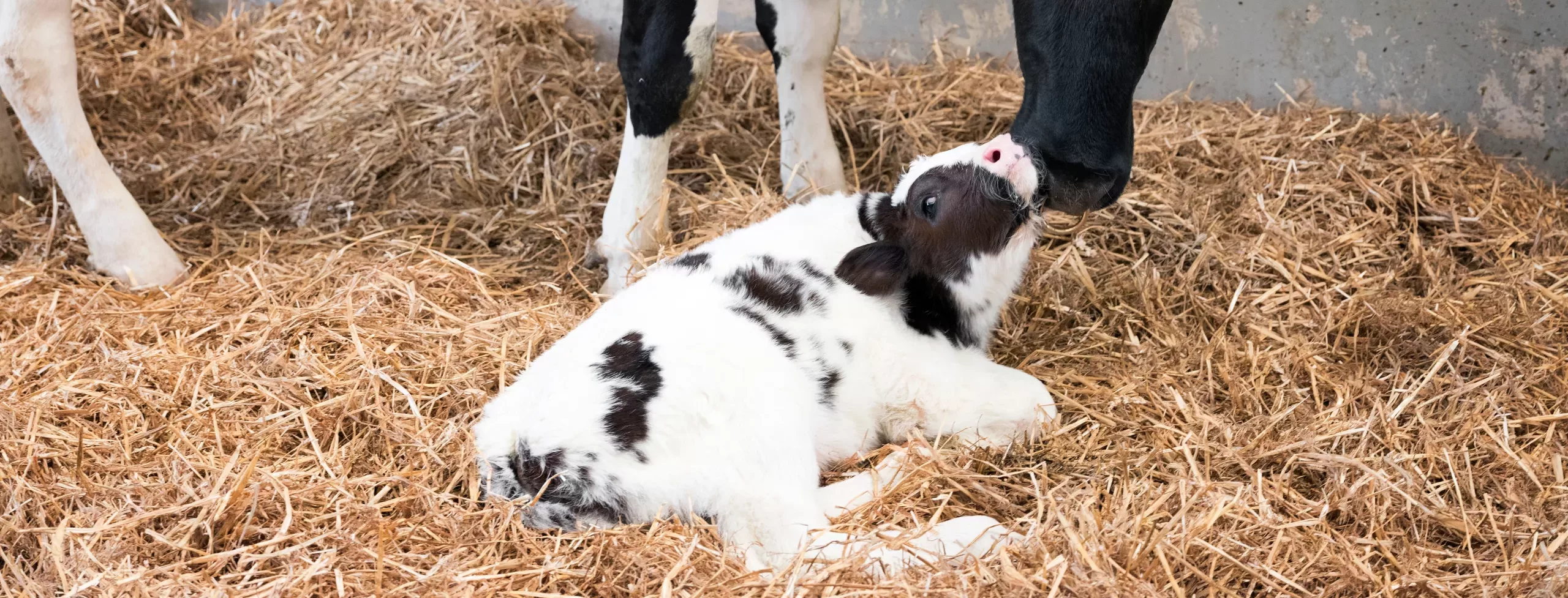
Young calves are the most vulnerable animals in the herd. Their immune systems are not yet fully developed, which makes them especially sensitive to poor air quality, humidity, and drafts. Without proper ventilation, calf barns quickly accumulate ammonia, dust, and moisture – conditions that can lead to pneumonia, diarrhea, and stunted growth.
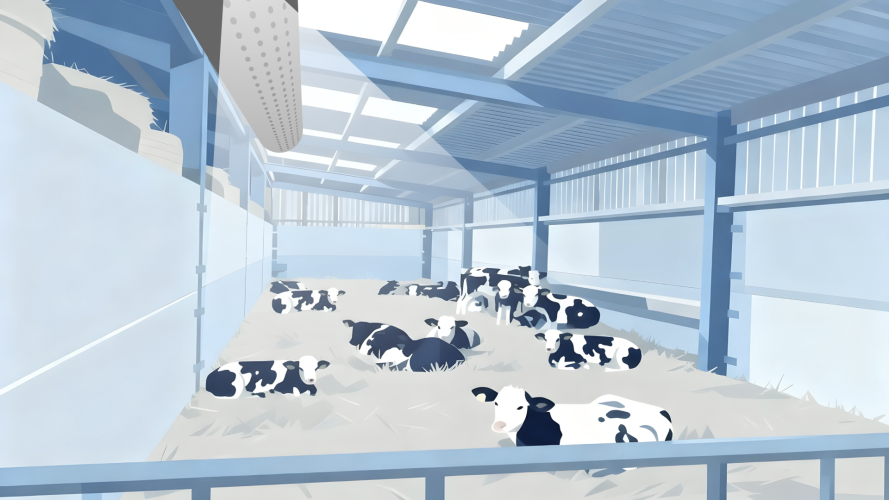
ClimaBarn system is carefully designed with calculated laser-cut perforations to provide the fresh air directly to the calves improving the air quality and comfort all year round. The air distribution differs from full grown cows by providing a gentler flow at lower air speed, yet capable to decrease the pollution levels and offer cooling during the hot season.
Advantages
Calf Health & Growth
- Constant supply of fresh air to reduce respiratory infections
- Lower risk of pneumonia and diarrhea in sensitive young animals
- Stable climate supports stronger growth and feed conversion
Hygiene & Air Quality
- Removes moisture and ammonia from bedding, keeping calf stalls drier
- Reduces dust that can carry pathogens
- Cleaner, healthier air supports immune system development
Stress-Free Comfort
- Gentle, draft-free airflow prevents chilling
- Quiet operation ensures calves remain calm
- Consistent conditions across calf stalls – no “bad corners” with stagnant air
FAQ
Calves are highly sensitive to poor air quality. Without steady fresh air, they are at greater risk of pneumonia and digestive issues. Proper ventilation reduces disease pressure, lowers vet costs, and supports healthy growth.
Air dispersion is engineered to deliver airflow gently and evenly. Instead of strong jets or cold spots, calves experience a stable climate that keeps them healthy without the stress of chilling drafts.
Calf barns require steady ventilation year-round:
• Winter: 4 air changes per hour to control humidity and ammonia
• Summer: 40–60 air changes per hour to keep barns cool and fresh
• Airspeed at calf level should remain gentle (0.2–0.5 m/s) to avoid chilling.
Absolutely. Lightweight and flexible fabric ducts can be installed in both new and older calf housing. They adapt to different layouts, ensuring every pen benefits from fresh, healthy air.

