


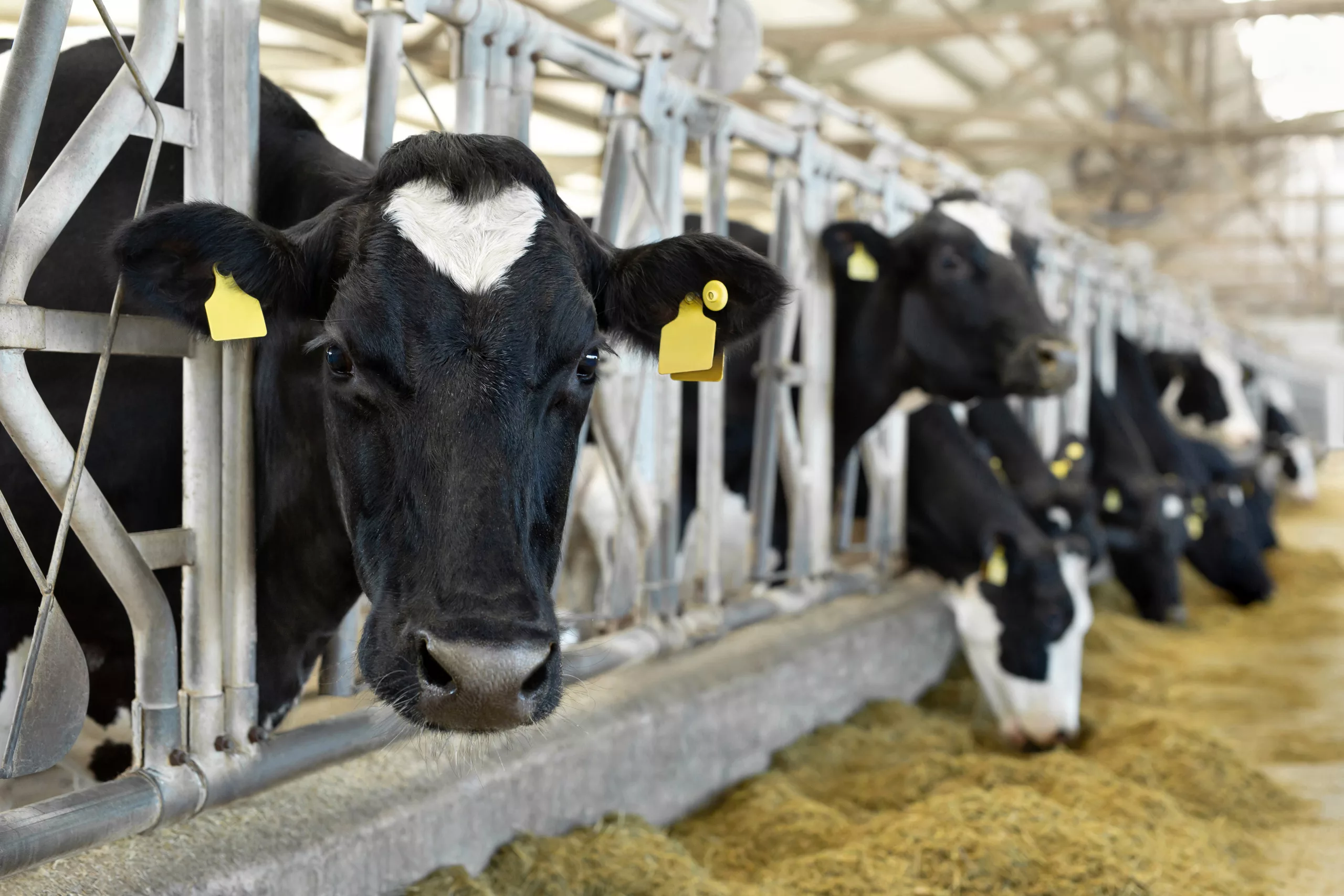
Barn Ventilation Retrofits Without Disrupting Daily Milking


How Dairy Farms Are Upgrading Airflow Without Disrupting Daily Milking
For many dairy farmers, the signs of poor barn ventilation are easy to spot.
Cows gather around doors and fans during hot afternoons. Feed intake drops. Milk production softens during summer months. Some areas of the barn seem comfortable, while others feel stagnant and humid.
The solution often seems obvious: improve ventilation.
Yet many farm owners delay upgrades for a simple reason.
They fear the disruption.
“Can we really undertake a ventilation project during the season?” is one of the most common questions ventilation specialists hear from dairy producers.
The good news is that modern barn ventilation retrofits are increasingly designed around the realities of working dairy farms. Today’s systems can often be installed with minimal disruption to milking schedules, cow movement, and daily operations.
Why Ventilation Has Become a Bigger Issue for Dairy Farms
A ventilation system that worked perfectly ten years ago may no longer be sufficient today.
Several factors are changing the equation:
- Summers are becoming hotter and longer.
- Warm nights are reducing cows’ recovery time.
- Modern dairy cows produce more milk—and more body heat.
- Higher stocking densities increase ventilation demands.
As a result, many existing dairy barns are struggling to provide the airflow needed to maintain cow comfort during periods of heat stress.
The challenge is particularly noticeable in older facilities that were never designed for today’s climate conditions or production levels.
The Hidden Cost of Waiting
Many farmers view ventilation upgrades as a project for “next year.”
However, delaying improvements can come with a cost.
When cows experience heat stress, the consequences can extend beyond a few uncomfortable days.
Research and field experience consistently show links between heat stress and:
- Reduced feed intake
- Lower milk production
- Reduced fertility
- Increased standing times
- Higher health risks
The economic impact often accumulates quietly throughout the summer season.
For this reason, many farms are choosing to retrofit existing ventilation systems rather than wait for a major building renovation.
Why Farmers Hesitate to Upgrade
The hesitation is understandable.
A dairy farm is a 24-hour operation.
Milking cannot stop. Feeding schedules cannot be postponed. Animal welfare remains the highest priority.
Farm owners frequently worry that a ventilation project could create:
- Stress for the herd
- Disruptions to milking routines
- Safety concerns
- Construction delays
- Unexpected downtime
Historically, these concerns were justified. Large infrastructure projects often required significant modifications and lengthy installation periods.
Today’s ventilation retrofits are different.
A Shift Toward Retrofit-Friendly Solutions
Over the last decade, ventilation technology has evolved considerably.
Manufacturers and engineers increasingly design systems specifically for retrofit applications, recognizing that most dairy producers are improving existing barns rather than building new ones.
This has led to solutions that are:
- Faster to install
- Easier to integrate
- Less dependent on structural modifications
- More adaptable to different barn layouts
One example is the growing use of fabric duct ventilation systems in dairy facilities.
Unlike rigid metal ductwork, textile-based air distribution systems are lightweight, customizable, and often easier to install within operating barns.
For many farms, this translates into shorter installation times and less disruption to daily activities.
What Happens During a Barn Ventilation Retrofit?
Many farmers are surprised by how straightforward the process can be.
A typical retrofit project usually follows five stages.
1. Assessment of Existing Conditions
The first step is understanding how air currently moves through the building.
Engineers evaluate:
- Barn dimensions
- Airflow patterns
- Heat stress risk areas
- Cow occupancy patterns
- Existing ventilation equipment
The goal is to identify where airflow improvements will have the greatest impact.
2. System Design
Based on the assessment, a ventilation solution is developed specifically for the facility.
Rather than relying on generic layouts, modern systems are engineered around the actual building and herd requirements.
3. Manufacturing
Custom air distribution components are produced to match the design specifications.
For fabric duct systems, this often means creating ducts with specific airflow characteristics tailored to the barn.
4. Installation
This is the stage most farmers worry about.
Fortunately, many modern ventilation systems can be installed while normal farm operations continue.
Work is often coordinated around:
- Milking schedules
- Feeding times
- Cow traffic patterns
The objective is to minimize disruption while maintaining productivity.
5. Commissioning and Optimization
Once installed, airflow performance is tested and adjusted as necessary to ensure the system delivers the intended results.
Why Air Distribution Matters More Than Air Volume
One of the biggest misconceptions in dairy barn ventilation is that more airflow automatically means better cooling.
In reality, distribution is often the bigger challenge.
Many barns already move large volumes of air.
The problem is that the airflow reaches some cows—but not others.
This creates:
- Hot spots
- Dead zones
- Uneven temperatures
- Areas of poor air quality
As a result, cows crowd into the few locations where airflow is strongest.
Modern retrofit projects increasingly focus on uniform airflow distribution, ensuring that every cow benefits from improved ventilation rather than only those standing near a fan.
This approach helps improve comfort throughout the entire facility.
Can Ventilation Retrofits Be Completed During Summer?
In many cases, yes.
In fact, summer is often when ventilation deficiencies become most apparent.
While every project is different, many retrofit installations can be completed during active production periods.
The key is selecting a solution that is designed for rapid implementation and working with an experienced partner who understands the operational realities of dairy farming.
For farms experiencing heat stress, waiting until the following season may mean accepting another year of avoidable production losses.
What Should Farmers Look for in a Retrofit Solution?
When evaluating ventilation upgrades, farmers should look beyond fan specifications and airflow numbers.
Important questions include:
- Will airflow reach the cow zone?
- Can the system be installed without major reconstruction?
- How quickly can the project be completed?
- Is the design customized to the barn?
- Will airflow be distributed evenly throughout the facility?
The best ventilation systems combine engineering, practicality, and ease of implementation.
Modernizing Without Rebuilding
For many dairy farms, improving ventilation no longer requires a major construction project.
Advances in air distribution technology mean that existing barns can often be upgraded quickly and efficiently while remaining fully operational.
As heat stress becomes an increasingly important management challenge, ventilation retrofits offer dairy producers a practical way to improve cow comfort, support milk production, and future-proof their facilities without disrupting daily milking routines.
Looking Ahead
Improving airflow is only one part of effective heat stress management.
In our next article, we’ll explore how dairy farms in Germany and Austria are using modern ventilation strategies to improve cow comfort and maintain production during increasingly challenging summer conditions.
Frequently Asked Questions
A barn ventilation retrofit is the process of upgrading an existing ventilation system to improve airflow, air quality, and cow comfort without constructing a new barn. Retrofits typically focus on optimizing air distribution and reducing heat stress while making use of the existing building structure.
Yes. Modern ventilation retrofit projects are designed to minimize disruption to daily farm operations. In many cases, installation can be scheduled around milking times, feeding routines, and cow movement, allowing the farm to remain fully operational throughout the project.
The timeline depends on the size of the barn and the complexity of the system. However, modern fabric duct ventilation systems can often be installed much faster than traditional ventilation upgrades because they require fewer structural modifications and use lightweight components.
Yes. Improved airflow helps cows dissipate body heat more effectively, especially during periods of high temperature and humidity. Reducing heat stress can support feed intake, milk production, fertility, and overall animal welfare.
Common signs include:
• Cows crowding around fans or open doors
• Excessive panting during warm weather
• Uneven barn temperatures
• Reduced milk production in summer
• Increased humidity or condensation
• Empty stalls in certain areas of the barn
• Strong odors or poor air quality
In many cases, yes. Older barns were often designed for different herd sizes, production levels, and climate conditions. A ventilation retrofit can improve airflow and cow comfort without the cost and disruption of constructing a new facility.
Yes. Fabric duct ventilation systems are specifically suited for retrofit projects because they are lightweight, flexible, and can often be integrated into existing barns without major structural changes.
Heat-stressed cows typically eat less and use more energy to cool themselves. By improving airflow and reducing heat stress, ventilation systems can help maintain feed intake and support more consistent milk production during warm periods.
Adding more fans increases air movement, but it does not always ensure that airflow reaches all areas of the barn. Air distribution systems, such as fabric ducts, are designed to deliver airflow evenly throughout the cow zone, reducing hot spots and stagnant areas.
Yes. Effective ventilation helps remove excess moisture, dust, odors, and airborne contaminants while supplying fresh air. This creates a healthier environment for both animals and farm staff.
Many farmers plan upgrades before the summer heat season. However, modern retrofit systems can often be installed year-round, including during active production periods, provided the project is properly planned.
The best solution depends on factors such as barn dimensions, herd size, building layout, climate conditions, and existing ventilation performance. A professional airflow assessment can identify the most effective approach for improving cow comfort and reducing heat stress.
Not necessarily. Many modern ventilation solutions are designed specifically for existing barns and can be installed with minimal structural modifications, reducing both downtime and installation costs.
A well-designed retrofit can:
• Improve cow comfort
• Reduce heat stress
• Support milk production
• Improve air quality
• Reduce humidity buildup
• Create more uniform airflow
• Increase the usability of the entire barn
• Extend the value of existing facilities